The direct answer is this: a 200-liter round drum production line improves production efficiency primarily by replacing fragmented manual processes with a fully automated, continuous workflow — from raw material feeding through forming, welding, coating, drying, expanding, seaming, and final packaging. When properly configured, a modern 200L drum line can produce 400 to 1,200 finished drums per shift, reduce labor requirements by 60–80% compared to semi-manual operations, and maintain dimensional consistency at rejection rates below 0.5%. The efficiency gains come not from any single component but from the integration of every process stage into one synchronized, automated system.
This article examines the specific mechanisms through which a 200L round drum production line delivers these efficiency improvements, covering automation architecture, process integration, quality control, workforce optimization, energy management, and industry-specific applications.
What a 200L Round Drum Production Line Actually Does
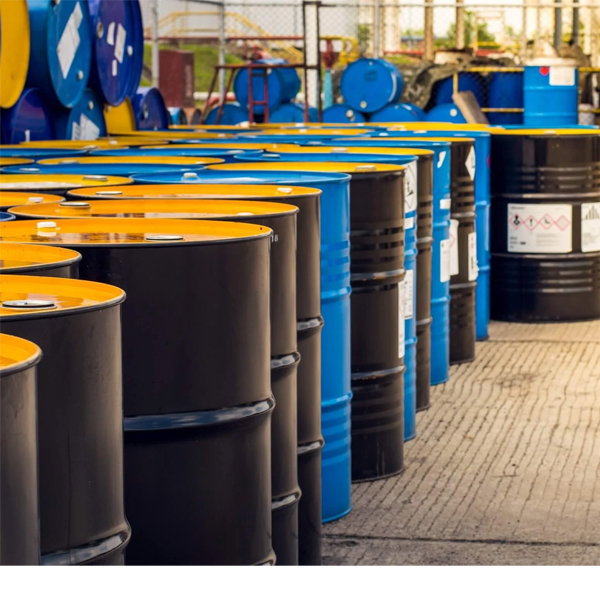
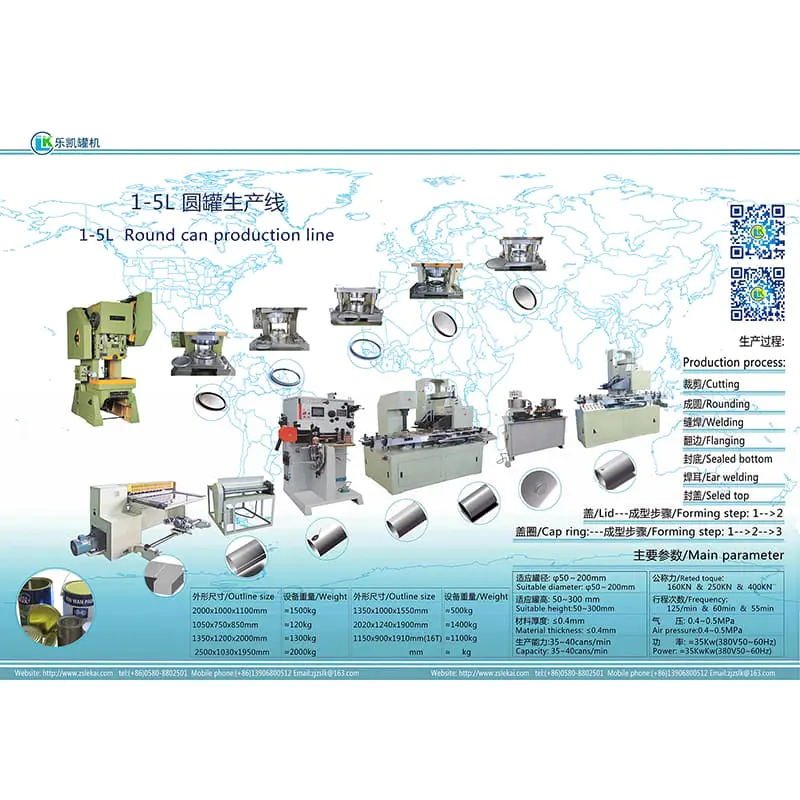
Before analyzing efficiency gains, it is worth understanding what a complete 200-liter round drum production line encompasses. Unlike simple stamping or forming machines, a full production line integrates multiple sequential processes into one coordinated system:
- Raw material feeding system: Coiled steel sheets are automatically loaded, unrolled, leveled, and cut to precise dimensions without manual handling
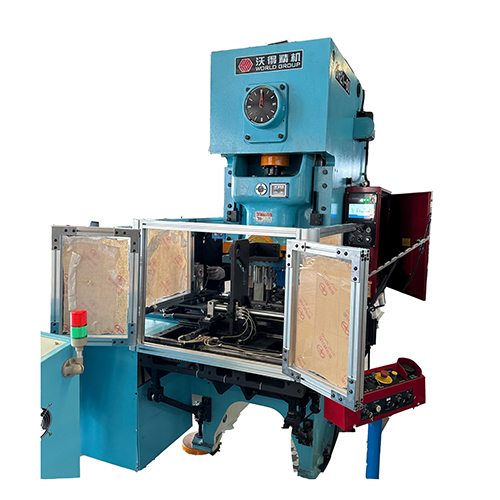
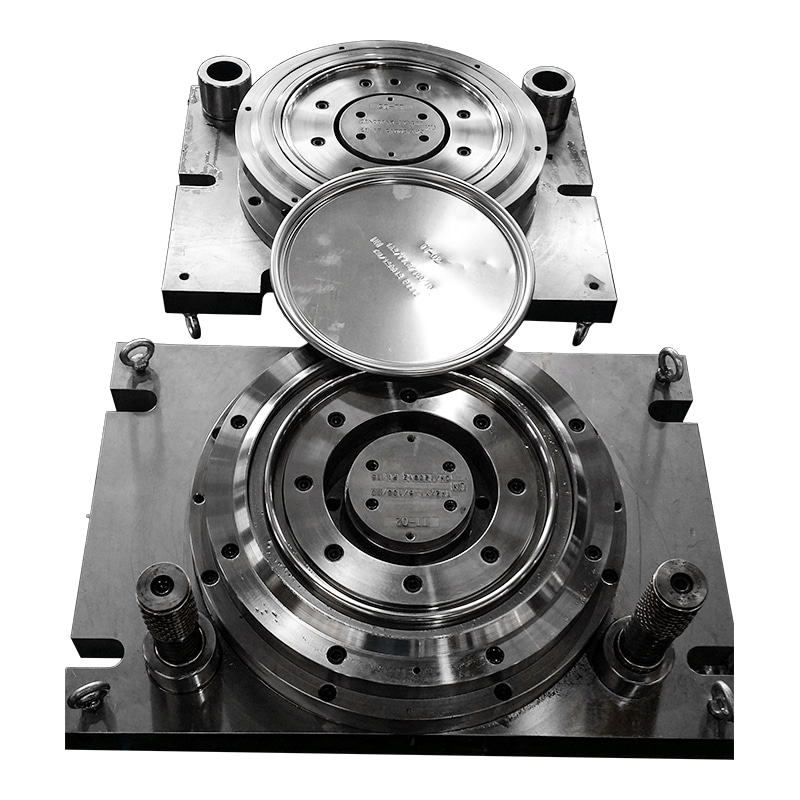
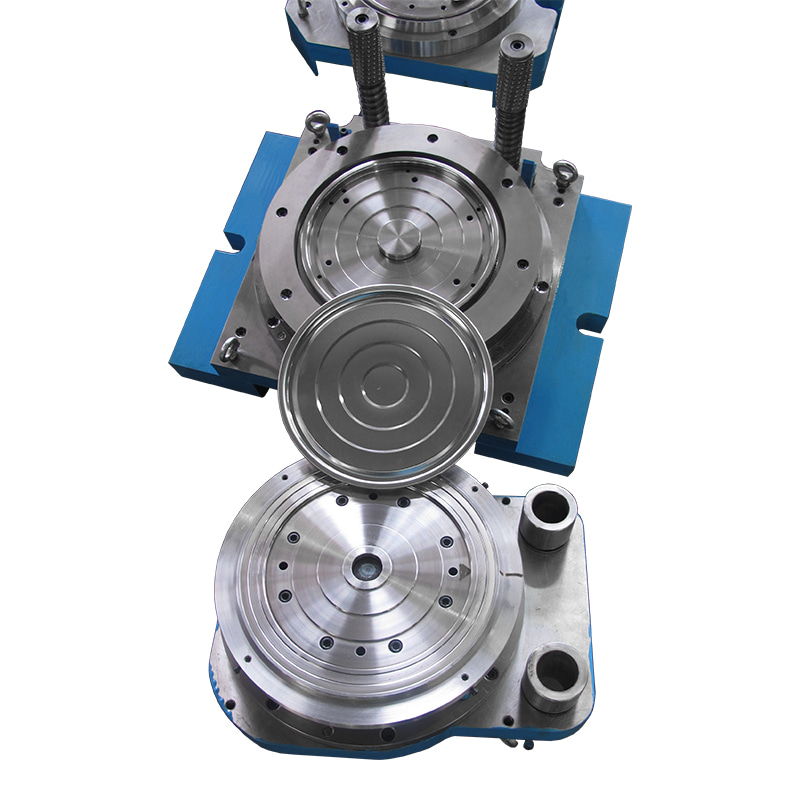
- Can forming: Sheet metal is rolled and shaped into cylindrical drum bodies using automated forming presses with tight dimensional tolerances
- Welding: Longitudinal seam welding joins the drum body using resistance welding or laser welding technology for consistent, leak-proof joints
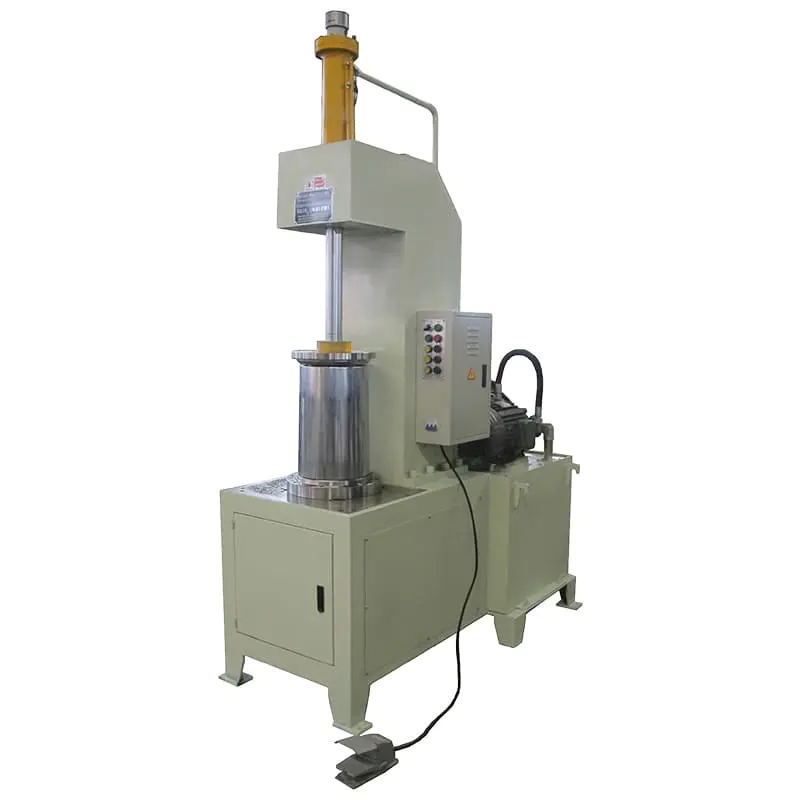
- Expanding: Internal expanders push the drum to its precise final diameter, correcting any deviation from nominal 200-liter volume specifications
- Coating and drying: Interior and exterior coatings are applied automatically in sealed spray chambers, followed by temperature-controlled drying ovens
- Seaming: Top and bottom lids are mechanically seamed onto the drum body using multi-roll seaming heads
- Testing and inspection: Finished drums undergo automated leak testing, dimensional verification, and surface inspection before release
- Conveying and packing: Automated conveyor systems transport drums to palletizing or stacking stations for final dispatch
Each of these stages, when manually operated and disconnected, introduces delays, variability, and labor costs. The production line's efficiency advantage comes from eliminating the gaps between these stages.
Eliminating Bottlenecks Through Process Integration
In a fragmented or semi-manual drum manufacturing setup, work-in-progress inventory accumulates between stations. A batch of formed drum bodies might wait 30–60 minutes for the welding station to become available, then wait again for coating, then again for the drying oven. These inter-process delays, known as queue time, can account for 40–60% of total lead time in non-automated environments.
A synchronized 200L drum production line eliminates queue time by matching the cycle time of each station to the overall line rate. If the target output is 600 drums per hour, every station — forming, welding, coating, drying, seaming — is engineered and controlled to complete its operation within the same takt time window. When one drum leaves the forming station, the next immediately enters. The result is a continuous flow with near-zero inter-process wait time.
This integration also has a compounding effect on throughput predictability. In manual environments, output varies with worker pace, absenteeism, and fatigue. An automated line delivers consistent output regardless of time of day or shift duration, making production planning and customer commitments far more reliable.
Automation of Raw Material Feeding and Handling
Raw material handling is one of the most underestimated sources of inefficiency in drum manufacturing. In manual operations, workers must physically load sheet coils, feed them into machinery, monitor material depletion, and manage coil changes. A single coil change on a manual line can take 15 to 30 minutes of downtime.
Automated feeding systems on a 200L drum production line address this through several mechanisms:
- Servo-controlled decoilers that maintain consistent sheet tension, preventing material distortion that would cause downstream defects
- Automated straightening and leveling rollers that correct coil curl before material enters the forming stage
- Pre-notching and pre-cutting systems that prepare material to exact blank dimensions without operator measurement
- Material buffer systems that allow coil changes to occur while the downstream line continues running, reducing coil-change downtime to under 3 minutes
Over a full production day, reducing coil-change downtime from 25 minutes to 3 minutes — assuming 6 changes per shift — saves 132 minutes of productive time per shift, equivalent to recovering over 2 additional hours of output capacity every day.
Welding Precision and Speed Through Automated Systems
Welding is the most technically demanding stage in drum production. A 200-liter drum's longitudinal seam weld must be completely leak-proof, structurally sound under UN certification pressure tests, and cosmetically consistent for coating adhesion. Manual welding introduces variability in penetration depth, heat input, and travel speed that directly causes defects and rework.
Automated welding systems on a 200L drum line achieve efficiency improvements in multiple ways:
Resistance Seam Welding
Automated resistance seam welding uses precisely controlled electrode pressure, current, and travel speed to produce consistent welds at speeds of 3 to 8 meters per minute. A skilled manual welder typically achieves 0.5 to 1.5 meters per minute on the same joint. This represents a 4x to 8x speed improvement on the welding stage alone.
Reduced Rework from Weld Defects
Manual welding defect rates in drum manufacturing typically range from 3% to 8% of output, requiring rework or scrapping. Automated welding systems with in-process monitoring can reduce weld defect rates to under 0.3%. On a line producing 500 drums per shift, this difference means 15–40 fewer rework or scrap events per shift — each of which would otherwise consume additional labor, materials, and time.
Coating and Drying Efficiency Through Automated Application
The coating stage applies protective interior linings (epoxy, phenolic, or other chemical-resistant coatings) and exterior primers or finish paints to drums. Manual spray application is slow, wasteful, and inconsistent. Transfer efficiency — the proportion of paint that actually adheres to the drum surface versus overspray — is typically 40–60% in manual spraying.
Automated coating stations on a 200L production line improve efficiency through:
- Electrostatic spray systems that achieve transfer efficiencies of 85–95%, dramatically reducing coating material waste and VOC emissions
- Programmable spray patterns that ensure complete, even coverage on the cylindrical drum surface without over-application at edges or seams
- Enclosed spray chambers with exhaust recovery systems that reclaim overspray and maintain a safe working environment
- Inline drying ovens with precisely controlled temperature zones that cure coatings in 8 to 15 minutes versus 30–60 minutes for ambient drying, allowing continuous throughput
The reduction in coating material consumption alone — typically 15–30% savings versus manual application — directly reduces per-unit production cost and improves the cost efficiency of the entire line.
Robotic Operating Arms and Automated Conveyors: Moving Drums Without Downtime
One of the most significant efficiency gains in modern 200L drum production lines comes from eliminating manual material transfer between stations. In older facilities, workers physically move drums from one machine to the next using pallet jacks, hand trucks, or overhead cranes. Each transfer takes time, introduces handling damage risk, and represents a labor cost that adds no value to the product.
Automated conveyor systems and robotic operating arms address this comprehensively:
Automated Conveyor Systems
Roller conveyors, belt conveyors, and chain transfer systems move drums continuously between each production stage at controlled speeds synchronized to the line's takt time. Drums are never idle on the floor waiting to be picked up. Transfer time between stations drops from 2–5 minutes per drum (manual) to under 10 seconds (automated conveyor).
Robotic Operating Arms
Six-axis robotic arms handle tasks that require precise positioning or that expose workers to hazardous conditions — loading drum bodies into welding fixtures, transferring drums in and out of drying ovens, and palletizing finished drums. Robots perform these operations with cycle times of 4–8 seconds and position repeatability of ±0.1mm, far exceeding manual handling speed and accuracy. A single robotic palletizing arm can replace 2–3 manual palletizing workers while operating continuously across all three shifts.
The combined effect of automated conveyors and robotic handling is a production environment where drums never wait for a person to move them — material flows continuously from raw steel to finished, packaged product.
Reducing Manual Intervention to Cut Labor Costs and Human Error
Labor is typically the second-largest cost in drum manufacturing after raw materials. In manual or semi-automated operations, a production run of 200L drums might require 15 to 25 workers per shift across forming, welding, coating, handling, inspection, and packing roles. A fully automated 200L drum production line can accomplish equivalent output with 4 to 8 operators who monitor the line, manage consumables, perform scheduled maintenance, and intervene only when exceptions occur.
Beyond headcount reduction, reducing manual intervention also eliminates a category of defects caused by human inconsistency:
- Incorrect seaming pressure from worker fatigue leading to lid leakage
- Inconsistent coating thickness from variable spray distance and technique
- Dimensional errors from manual measurement and marking
- Surface scratches and dents from improper manual handling
Automated systems apply the same force, speed, temperature, and positioning parameters to every drum, every cycle. The machine does not get tired at the end of a 12-hour shift, does not make judgment errors, and does not vary its technique based on mood or experience level. This consistency directly translates into lower scrap rates, fewer customer complaints, and reduced warranty or liability exposure.
Automated Quality Inspection and Real-Time Process Control
Quality control in manual drum manufacturing is largely retrospective: drums are inspected after production, defects are found after the fact, and production may run for hours generating scrap before the problem is identified and corrected. This approach is both wasteful and reactive.
Modern 200L drum production lines integrate real-time quality monitoring at every critical stage:
In-Line Leak Testing
Every finished drum passes through an automated pneumatic leak test station that pressurizes the drum interior and monitors for pressure decay over a set period. Drums that fail are automatically diverted to a rejection lane without stopping the line. Testing cycle time is typically 15 to 30 seconds per drum — fast enough to keep pace with the production rate.
Vision Systems for Surface and Dimensional Inspection
Machine vision cameras installed at multiple points along the line check for surface defects (dents, coating holidays, weld irregularities), dimensional conformance (diameter, height, lid seam geometry), and marking or labeling accuracy. Vision systems can inspect 100% of production output at line speed — something that is physically impossible with human inspectors, who typically sample only 5–10% of output and become less reliable with fatigue.
Closed-Loop Process Feedback
When inspection systems detect a trend — for example, drum diameters drifting 0.2mm above nominal as tooling wears — a closed-loop control system automatically adjusts the relevant machine parameter to correct the process before it generates out-of-specification parts. This proactive correction prevents defect batches rather than detecting them after the fact.
Quantified Efficiency Improvements: Before vs. After Automation
The following table summarizes the measurable efficiency improvements that manufacturers typically achieve when transitioning from semi-manual drum production to a fully automated 200L round drum production line:
| Metric |
Semi-Manual Operation |
Automated 200L Line |
Improvement |
| Output per shift (8 hrs) |
150 – 300 drums |
400 – 1,200 drums |
2x – 4x increase |
| Workers required per shift |
15 – 25 |
4 – 8 |
60 – 80% reduction |
| Weld defect rate |
3 – 8% |
Below 0.3% |
90%+ reduction |
| Overall scrap / rejection rate |
4 – 10% |
Below 0.5% |
85 – 95% reduction |
| Coating material utilization |
40 – 60% transfer efficiency |
85 – 95% transfer efficiency |
30 – 50% material saving |
| Inter-process wait time |
30 – 60 min per batch |
Under 10 seconds |
Near elimination |
| Coil change downtime |
15 – 30 min per change |
Under 3 min per change |
85%+ reduction |
Typical performance comparison between semi-manual and fully automated 200L drum production lines
Customization Capabilities That Expand Market Reach
Efficiency is not only about speed — it also encompasses the ability to serve diverse customer requirements without retooling delays or custom fabrication costs. Modern 200L drum production lines support a range of customization processes that can be configured through the line's control system rather than requiring physical machine changes:
- Bung configuration: Automatic bung welding stations can be programmed to install 2-inch NPS bungs, 3/4-inch vent bungs, or other fittings at specified positions depending on the customer's product fill or dispensing requirements
- Chime and rolling hoop forming: Automated roll-forming heads can produce different chime profiles (single, double, or no chime) and add rolling hoops at programmed positions to match UN certification requirements or customer handling preferences
- Coating selection: By switching coating material supply tanks and adjusting spray parameters, the same automated coating station can apply epoxy-phenolic linings for food-grade applications, solvent-resistant linings for chemical storage, or bare uncoated finishes for non-corrosive dry goods
- Exterior finish and marking: Automated printing or labeling systems can apply product-specific markings, UN certification codes, hazard symbols, and customer branding without stopping the production line
The ability to switch between drum variants quickly — some lines achieve changeover in under 30 minutes through stored parameter sets — allows manufacturers to run smaller, more frequent batches for multiple customers without sacrificing overall line utilization rates.
Industry Applications and Why Automated Drum Lines Are Essential
The 200L round drum is one of the most widely used industrial packaging formats globally, and the industries that depend on it have increasingly stringent requirements that make automated production not just efficient but necessary:
| Industry |
Drum Use |
Key Requirement from Production Line |
| Chemical |
Solvents, resins, adhesives, lubricants |
UN-certified leak-proof seams; chemical-resistant interior coating |
| Food & Beverage |
Edible oils, syrups, concentrates, flavorings |
Food-grade epoxy lining; contamination-free production environment |
| Pharmaceutical |
Bulk active ingredients, solvents, excipients |
Traceable batch production; cleanroom-compatible coating; strict dimensional tolerance |
| Petroleum |
Motor oils, hydraulic fluids, fuels |
Pressure-rated seams; corrosion-resistant exterior; hazardous goods certification |
| Agriculture |
Pesticides, fertilizer solutions, crop protection chemicals |
Chemical-resistant sealing; UV-stable exterior finish |
Key industries served by 200L round drum production lines and their specific requirements
In the chemical industry, for instance, drums must pass UN performance tests (UN 1A1 for tightly closed open-head steel drums) that include drop, stack, and hydraulic pressure tests. Meeting these standards consistently across thousands of drums per day is simply not achievable through manual production — it requires the process control that only an automated production line can deliver.
Energy Efficiency and Sustainable Production
Efficiency in modern manufacturing extends beyond output per hour — it also encompasses energy consumption per unit produced. Automated 200L drum production lines contribute to energy efficiency in several ways:
- Variable frequency drives (VFDs) on motors allow machines to run at reduced speed during lower-demand periods rather than idling at full power, typically saving 20–40% of motor energy consumption
- Drying ovens with multi-zone temperature control and heat recovery systems recapture exhaust heat to pre-warm incoming air, reducing fuel or electric heating energy by 25–35%
- Servo-driven forming and seaming presses consume energy only during the actual forming stroke, unlike hydraulic systems that maintain continuous pump pressure, reducing energy use by up to 50% on press operations
- Lower scrap rates mean less raw material is processed wastefully — every reduction in scrap rate directly reduces the embodied energy cost per


 +86 13666712509



Skontaktuj się z nami